Choosing the Right Lift for Your Home Garage
Storage, wrenching, or both. Plan it right the first time.
Adding a vehicle lift to your home garage is one of those upgrades that feels equal parts practical and indulgent. Whether you’re looking to store an extra vehicle, free up floor space, or finally create the dream setup for weekend wrenching, choosing the right lift comes down to understanding your space, your goals, and a few technical must-knows.
This guide covers the most important factors homeowners should consider before investing in a home lift — including ceiling height, concrete depth, garage door clearance, and whether your primary use is storage or working on cars.
Primary Use: Storage vs. Working on Cars
Your primary use determines the style of lift you should buy.
If your main goal is storage:
- A four-post lift is typically the best choice.
- They’re stable, easy to use, and great for stacking vehicles.
- Perfect for winter storage, freeing up floor space, or protecting collector cars.
If your main goal is wrenching:
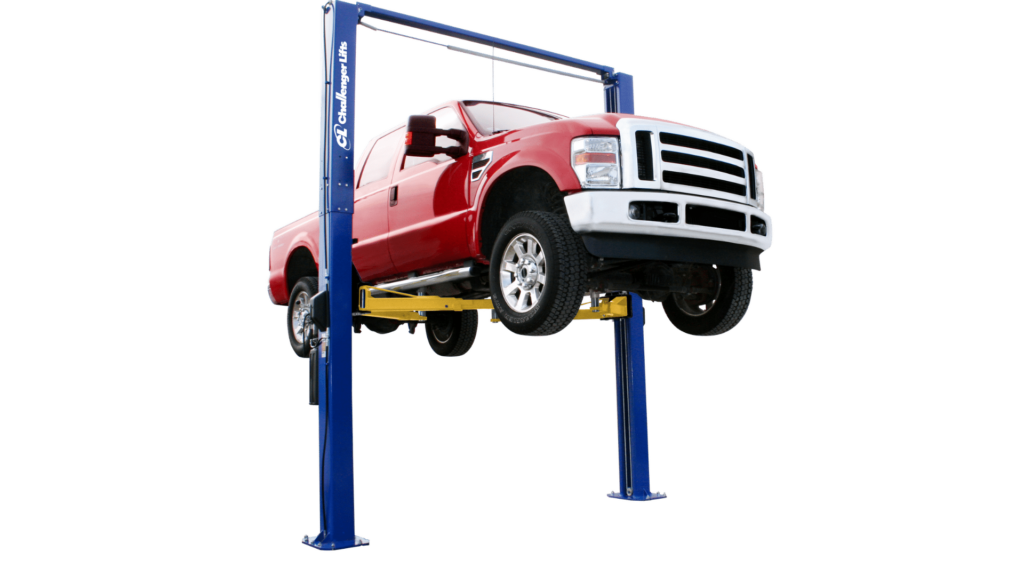
- A two-post lift gives the best access to wheels, suspension, and underbody work.
- They require more precise installation and stronger concrete.
- Ideal for hobby mechanics, restorers, and weekend project warriors.
If you want both:
- Look at hybrid four-post systems with rolling jacks — they give you storage plus the ability to lift wheels off the runways.
Vehicle Weight & Dimensions
Every lift has a rated capacity, and it’s essential to match it to your heaviest vehicle.
- Daily drivers: 3,000–5,000 lbs
- Trucks/SUVs: 6,000–8,000 lbs
- Heavy lifts: 9,000–12,000+ lbs
Also consider wheelbase length — long trucks may require extended runways or wider post spacing.

Ceiling Height: The First Gatekeeper
Ceiling height is the make-or-break measurement for any lift. Most home garages fall between 8–10 feet, but lifts often require more vertical clearance than people expect.
- Two-post lifts typically need 11–12 feet of clearance.
- Four-post storage lifts can work in lower garages, but you still need enough height to stack vehicles safely.
- Always factor in the height of your tallest vehicle — trucks, SUVs, and lifted rigs change the math quickly.
If your ceiling height is borderline, consider whether you can reposition garage door tracks or convert to a high-lift door system.
Garage Door Width & Height: The Hidden Clearance Problem
Your garage door can be the unexpected villain in your lift installation. Even if your ceiling height is perfect, the door tracks or opener can interfere with the raised vehicle.
- Door height determines how high a vehicle can rise before hitting the door.
- Door width matters if you’re driving wider vehicles onto a lift or if the posts sit close to the door frame.
- Consider upgrading to a high-lift track system or a side-mount opener to free up overhead space.
A quick measurement from floor to the lowest obstruction (track, opener, beam) will tell you exactly what you’re working with.
Concrete Depth: The Foundation of Safety
Concrete depth is one of the most overlooked — but most critical — requirements for installing a two-post lift. Anchoring a lift into insufficient concrete is unsafe and can void warranties.
- Most lifts require 4–6 inches of solid, uncracked concrete.
- Heavy-duty or commercial-grade lifts may require 6+ inches.
- Avoid patched concrete, expansion joints, or radiant heating lines.
If you are unsure, a quick core sample will determine the depth of your concrete.
Electrical Requirements
Most home lifts run on 110V, but some higher-capacity lifts require 220V. If you’re planning a lift for serious mechanical work, make sure your garage panel can support the upgrade.
Safety Features & Certifications
Look for lifts that meet ALI (Automotive Lift Institute) certification standards. Safety locks, cable redundancy, and quality hydraulics matter more than aesthetics.
Future Plans: Think Ahead
If you’re planning to buy a taller vehicle, remodel your garage, or expand your collection, choose a lift that won’t limit you later. A little foresight saves a lot of re-installation costs.
A home lift is one of the most satisfying upgrades you can make to your garage — but the right choice depends on knowing your space and your goals. Measure carefully, think about how you’ll use it, and choose a lift that fits both your vehicles and your lifestyle.